Kratom: What You Need to Know About Risks, Drug Testing, and Mental Health
Kratom has become increasingly popular in recent years, especially among people searching for natural remedies for pain, anxiety, and opioid withdrawal. Because it is sold in gas stations, smoke shops, and online in many parts of the country, many assume it is safe.
Dr. Timothy Carpenter
3/8/20263 min read
Kratom has become increasingly popular in recent years, especially among people searching for natural remedies for pain, anxiety, and opioid withdrawal. Because it is sold in gas stations, smoke shops, and online in many parts of the country, many assume it is safe.
At Birmingham Psychiatry & Behavioral Health, we regularly see patients who are surprised to learn that kratom can affect mental health, interact with medications, and even lead to dependence. If you or a loved one is using kratom, or considering trying it, his guide will help you understand the real risks.
Kratom (Mitragyna speciosa) is a tropical tree native to Southeast Asia. Its leaves contain active compounds that affect the brain in ways similar to both stimulants and opioids.
The two main active chemicals are:
● Mitragynine
● 7-hydroxymitragynine
At lower doses, kratom can produce stimulant-like effects such as increased energy and alertness. At higher doses, it can act more like an opioid, producing sedation, pain relief, and feelings of euphoria.
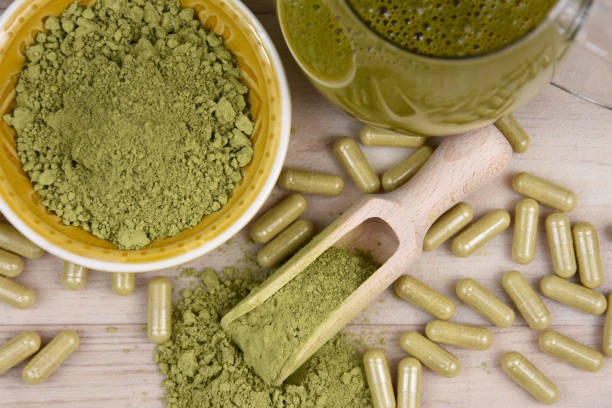
Kratom is commonly sold as:
● Powder
● Capsules
● Tea
● Liquid extracts or “shots”
● Gummies
Because kratom products are not regulated by the FDA, potency and purity can vary dramatically from product to product.
Kratom is illegal in the state of Alabama. It is classified as a Schedule I controlled substance, meaning it is illegal to possess, sell, or distribute.
Despite this, many people still encounter kratom online, across state lines, or through social media marketing. Because it is widely discussed and accessible elsewhere, there is often confusion about its safety and legal status.
Education about kratom’s risks is especially important for Alabama residents.
Many people begin using kratom for reasons that seem harmless or even helpful, including:
● Chronic pain management
● Anxiety or depression relief
● Increased energy or focus
● Self-treatment of opioid withdrawal
● Curiosity or recreational use
While some users report short-term benefits, long-term use can lead to significant physical and mental health concerns.
Kratom is often marketed as a “natural” supplement, but natural substances can still be dangerous. The FDA has issued warnings about kratom due to safety concerns.
Potential risks include:
Dependence and addiction
Regular kratom use can lead to tolerance and withdrawal symptoms similar to opioids.
Withdrawal symptoms may include:
● Anxiety and irritability
● Insomnia
● Muscle aches
● Sweating
● Nausea
● Depression
Mental health effects
Kratom can worsen:
● Anxiety disorders
● Depression
● Mood instability
● Psychosis in vulnerable individuals
Physical health risks
● Liver injury
● Seizures
● Heart rhythm problems
● Gastrointestinal distress
● Respiratory depression (especially when mixed with other substances)
Contamination concerns
Because kratom is unregulated, some products have been found to contain:
● Heavy metals
● Salmonella
● Other drugs or opioids
Kratom dependence is real and increasingly common. Many users believe they can stop anytime, but over time they may notice:
● Needing higher doses for the same effect
● Using daily instead of occasionally
● Difficulty stopping despite wanting to
● Using kratom to avoid withdrawal symptoms
Kratom withdrawal can be uncomfortable and emotionally distressing, leading some people to continue using simply to feel “normal.”
One of the most common questions that we receive is; does kratom show up on drug tests? This is one of the most common questions we hear.
Standard drug tests usually do NOT test for kratom.
Typical 5-panel or 10-panel drug screens look for:
● Opioids
● Cocaine
● Amphetamines
● THC
● Benzodiazepines
● PCP
Kratom is not included in standard panels. However, that does not mean it cannot be detected.
Specialized testing CAN detect kratom.
Certain labs offer tests specifically designed to detect:
● Mitragynine
● 7-hydroxymitragynine
These specialized tests are increasingly used by:
● Pain management clinics
● Addiction treatment programs
● Probation and court systems
● Some employers in safety-sensitive industries
Detection window
Kratom can typically be detected in urine for:
● Up to 5–7 days after use
● Longer in heavy or chronic users
Because testing technology continues to evolve, many people who assume kratom won’t be detected are surprised when it is.
Kratom can interact with medications commonly used to treat:
● Anxiety
● Depression
● ADHD
● Bipolar disorder
● Insomnia
● Chronic pain
Potential interactions include:
● Increased sedation
● Increased risk of serotonin syndrome
● Reduced effectiveness of prescribed medications
● Dangerous effects when combined with alcohol or benzodiazepines
Always tell your healthcare provider about kratom use, even if you consider it a supplement.
You may want to seek professional support if you notice:
● Using kratom daily or multiple times per day
● Difficulty stopping or cutting back
● Mood changes when not using
● Sleep problems
● Using kratom to cope with stress or emotions
● Mixing kratom with alcohol or other substances
Early intervention can make stopping much easier and safer.
Getting Help
If you or someone you love is struggling with kratom use, you are not alone. Many people begin using kratom with good intentions and are surprised by how quickly dependence can develop.
At Birmingham Psychiatry & Behavioral Health, we provide compassionate, judgment-free care for individuals navigating substance use, medication concerns, anxiety, depression, and other mental health challenges.
Our team can help you:
● Evaluate kratom use safely
● Manage withdrawal symptoms
● Adjust medications if needed
● Develop healthier coping strategies
BPBH
Empowering adults with compassionate mental health care.
Connect with us!
© 2025. All rights reserved.